Abu Dhabi, a vibrant hub of innovation and progress, is witnessing an extraordinary transformation in its healthcare sector. This evolution isn’t just about advanced medical treatments; it extends to creating holistic, patient-centric environments that encompass every touchpoint, including the crucial realm of retail spaces. Healthcare-adjacent retail, a rapidly growing segment, offers invaluable opportunities to enhance patient and visitor experiences, improve staff well-being, and even generate additional revenue for healthcare providers. However, successfully navigating this unique landscape demands an intricate understanding of stringent regulatory requirements, unwavering commitment to quality, and a forward-thinking approach to design. This comprehensive guide serves as an indispensable resource, providing essential checklists for healthcare-adjacent retail design in Abu Dhabi, with a sharp focus on compliance, unparalleled quality, and future-readiness for 2025 and far beyond.
The synergy between healthcare and retail, when thoughtfully executed, can transform sterile medical environments into welcoming, supportive ecosystems. Imagine a family member finding comfort in a well-designed cafe while waiting for a loved one, or a patient easily accessing essential wellness products post-consultation. These seemingly small conveniences contribute significantly to the overall healing journey and perceptions of care. Yet, the distinct nature of these spaces – their proximity to sensitive medical operations – imposes unique challenges, demanding a meticulous approach to every design decision. From ensuring hygienic surfaces to adhering to strict accessibility codes, every detail must be planned with precision and foresight.
Are you ready to create a healthcare-adjacent retail space that truly excels in Abu Dhabi? Skydome Designs has delivered 2327+ such assignments globally. We offer end‑to‑end delivery – from strategy to handover. Contact us today for a consultation!
Understanding Healthcare-Adjacent Retail Design in Abu Dhabi
Healthcare-adjacent retail design refers to the strategic planning, architectural layout, and interior detailing of commercial spaces that are physically located near or directly within healthcare facilities. These facilities can range from sprawling multi-specialty hospitals and specialized clinics to rehabilitation centers and wellness hubs. The services offered by these retail spaces are diverse and are specifically curated to cater to the unique needs of patients, their families, visitors, and the dedicated healthcare staff.
Categorizing Healthcare-Adjacent Retail Spaces:
- Pharmacies and Medical Supply Stores: These are perhaps the most common, offering convenient access to prescribed medications, over-the-counter remedies, medical equipment, and health-related products.
- Cafes, Restaurants, and Healthy Food Outlets: Providing nutritious and comforting food and beverage options for those spending extended periods at the facility, often with dietary considerations in mind.
- Gift Shops and Flower Shops: Offering items that can uplift spirits, provide comfort, or serve as tokens of appreciation.
- Wellness Centers and Spas: Complementary services like physiotherapy, massage therapy, beauty treatments, or meditation rooms that support holistic well-being.
- Opticians and Dental Clinics (standalone but adjacent): Specialized healthcare services that benefit from proximity to larger medical complexes.
- Bank Branches or ATMs: Financial services for convenience.
- Bookstores or Newsstands: Providing diversion and mental engagement during long waits.
- Specialized Retailers: Stores offering mobility aids, prosthetics, or other niche products directly related to medical conditions.
The primary goal of these spaces is twofold: first, to provide essential amenities and services that enhance the overall patient and visitor experience, reducing stress and increasing comfort; and second, to create a more convenient and pleasant working environment for healthcare professionals. In Abu Dhabi’s competitive healthcare market, offering these added-value services can significantly differentiate a facility, contributing to its reputation and patient satisfaction scores. Thoughtful design in these areas can transform a purely functional visit into a more supportive and even restorative experience.



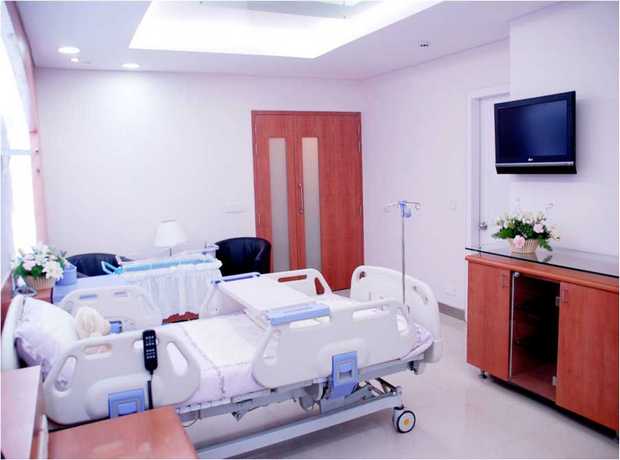
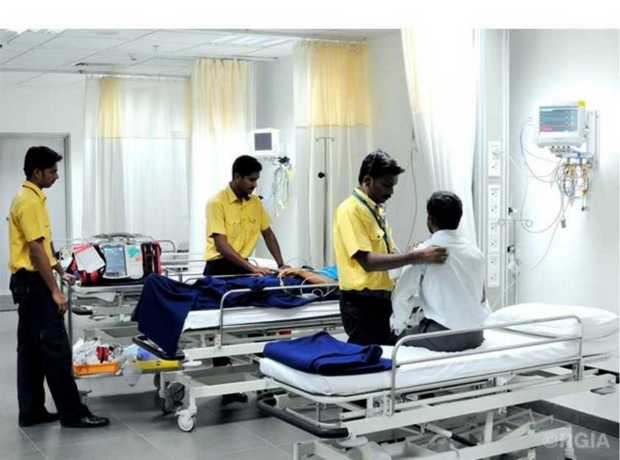
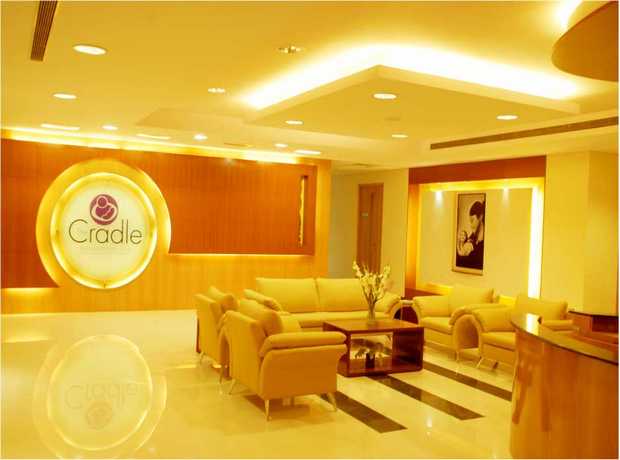
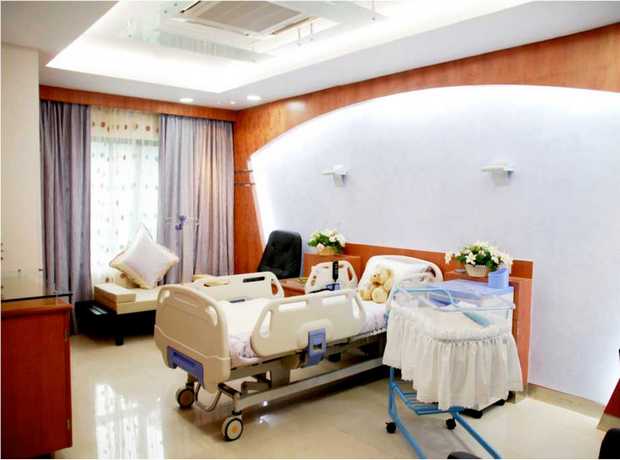
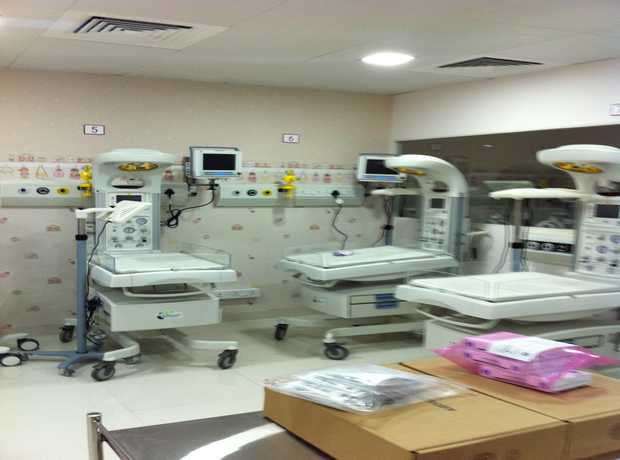
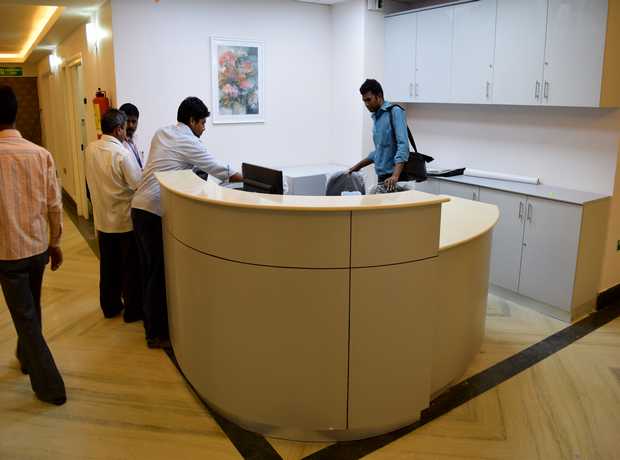
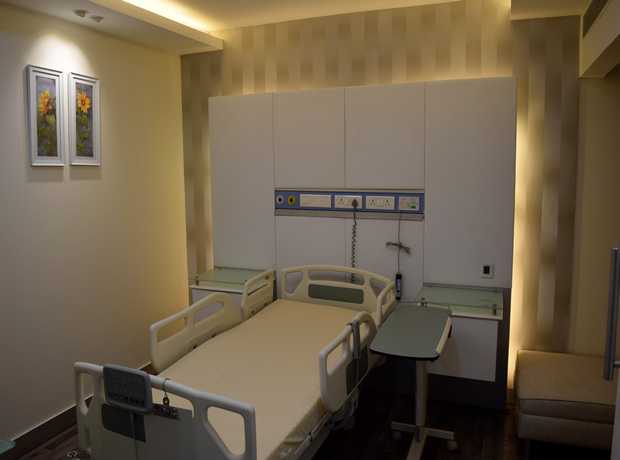
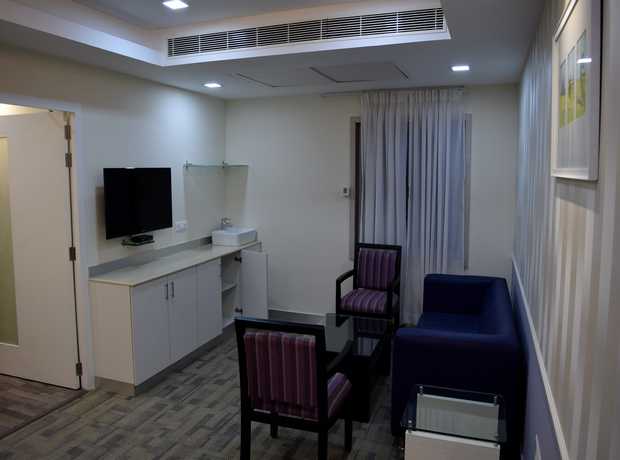

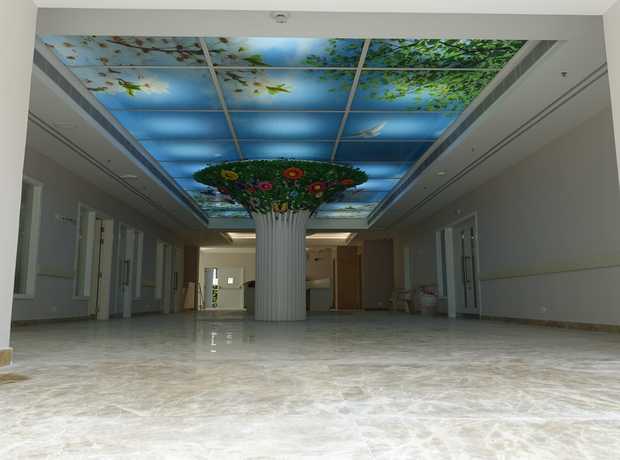
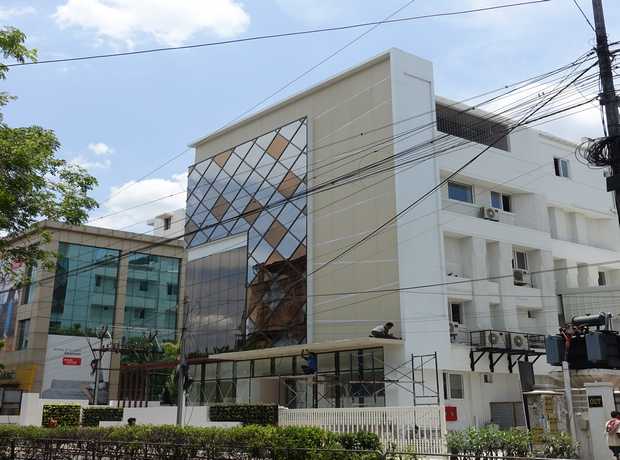
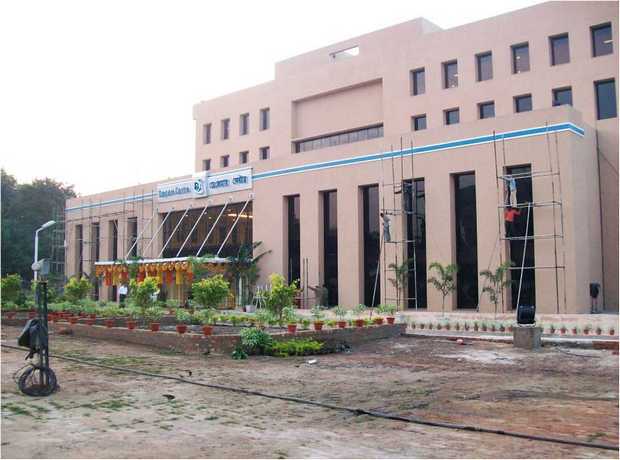
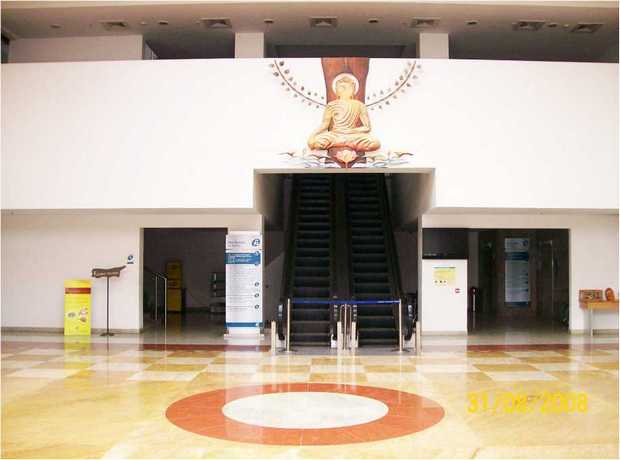

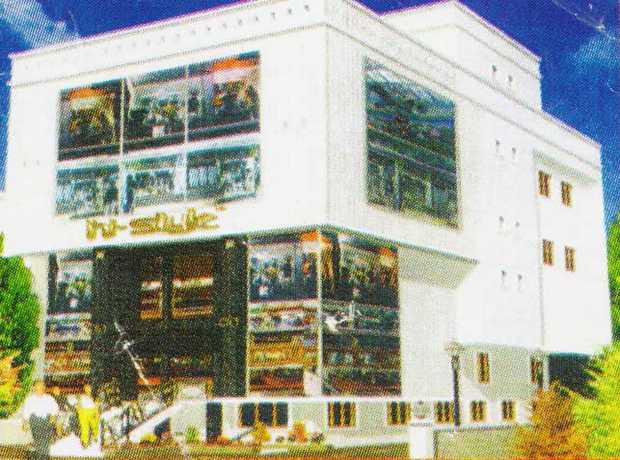
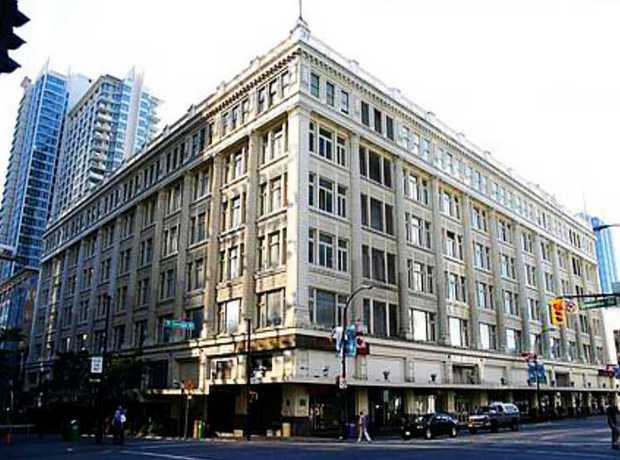
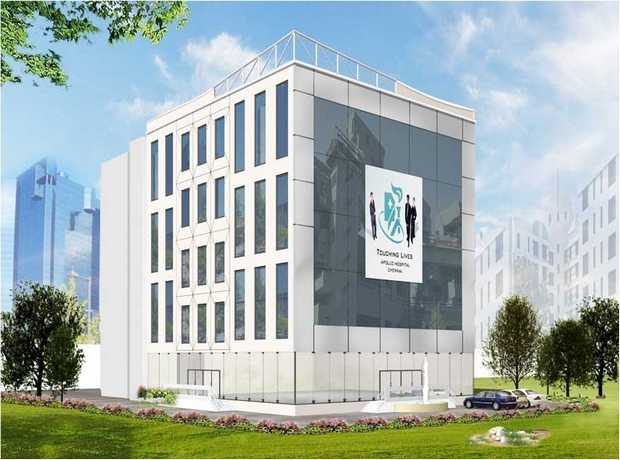
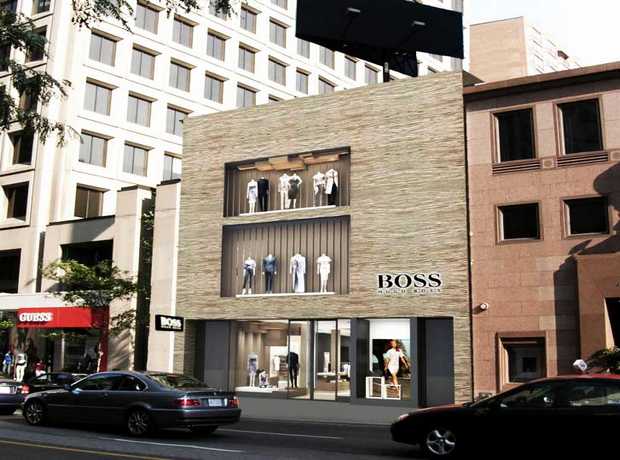
Key Compliance Checklists for Abu Dhabi Healthcare Retail Spaces
Operating any commercial venture in Abu Dhabi necessitates strict adherence to local regulations, and this becomes exponentially more critical when the venture is situated adjacent to a healthcare facility. The Department of Health (DoH) Abu Dhabi, Abu Dhabi Municipality (ADM), and Abu Dhabi Civil Defense are key authorities whose guidelines must be meticulously followed. Failing to meet these requirements can lead to severe penalties, operational delays, and reputational damage. Here are essential compliance checklists, broken down into critical areas:
1. Licensing and Permits: The Foundation of Operation
Before any design or construction commences, securing the correct licenses and permits is paramount. This initial phase can often be complex and time-consuming, necessitating expert guidance.
- Trade License: Obtained from the Department of Economic Development (DED) Abu Dhabi, specifying the exact retail activity (e.g., pharmacy, cafe, gift shop).
- Health Permit: Issued by the Department of Health (DoH) Abu Dhabi, particularly critical for businesses handling food, medical products, or services directly impacting public health. This permit ensures compliance with hygiene, storage, and operational health standards.
- Food Safety Permit: For any F&B outlets, this permit from Abu Dhabi Agriculture and Food Safety Authority (ADAFSA) is essential, covering HACCP principles, food handling, storage, and preparation.
- Building Permit: Required from Abu Dhabi Municipality (ADM) for any construction, renovation, or alteration work, ensuring structural integrity and safety.
- Fire Safety Certificate: Issued by Abu Dhabi Civil Defense, certifying that the premises meet all fire safety codes, including emergency exits, sprinkler systems, and fire alarms.
- Environmental Permit: From the Environment Agency – Abu Dhabi (EAD), especially relevant for projects with significant waste generation or environmental impact.
- Specific Service Permits: Additional licenses might be required for specialized services, e.g., for operating an optical store or a wellness center.
- Tenant Fit-Out Approvals: For spaces within larger developments, approvals from the landlord or facility management are also required, alongside governmental permits.
Navigating the complex permitting landscape in Abu Dhabi requires deep local expertise. Skydome Designs provides transparent costs and milestone-based reporting, ensuring your project stays on track from the very first approval.
2. Building Codes: Ensuring Structural Integrity and Safety
Abu Dhabi’s building codes are rigorous, designed to ensure the safety, stability, and longevity of structures. Healthcare-adjacent retail spaces must integrate these codes seamlessly into their design.
- Structural Requirements: Adherence to ADM structural design codes, ensuring the building can withstand local environmental conditions and operational loads.
- Fire Safety Regulations: Compliance with Abu Dhabi Civil Defense codes is non-negotiable. This includes:
- Installation of automatic fire suppression systems (sprinklers).
- Integration of advanced fire detection and alarm systems.
- Clearly marked and unobstructed emergency exits and pathways.
- Use of fire-rated materials for walls, ceilings, and doors.
- Emergency lighting and signage.
- Smoke control and ventilation systems.
- Mechanical, Electrical, and Plumbing (MEP) Codes: Ensuring efficient and safe installation of HVAC systems, electrical wiring, lighting, and plumbing, often with higher standards for healthcare zones.
- HVAC Systems: Specific air quality and ventilation standards, especially for retail spaces adjacent to sensitive hospital areas.
- Seismic Design: While not a high-risk zone, buildings must incorporate appropriate seismic design principles as per ADM guidelines.
- Material Specifications: Use of approved materials that meet safety, durability, and non-toxicity standards.
3. Health and Safety Regulations: Paramount in a Healthcare Context
Given the proximity to healthcare facilities, health and safety regulations are exceptionally stringent. These go beyond general commercial standards to address specific risks associated with medical environments.
- Hygiene and Sanitation: Strict protocols for cleaning, disinfection, and pest control. Use of easy-to-clean, non-porous surfaces.
- Infection Control: As detailed below, this is a critical subset of health and safety.
- Food Safety (HACCP): For food service areas, implementation of a Hazard Analysis and Critical Control Points (HACCP) system is mandatory to prevent foodborne illnesses. This includes strict temperature control, proper storage, cross-contamination prevention, and staff training.
- Waste Management: Implementation of segregated waste disposal systems, especially if the retail space handles any form of potentially infectious or hazardous waste (e.g., pharmacy waste, sharps). Compliance with EAD guidelines.
- Staff Training: All staff must receive comprehensive training in health and safety protocols, emergency procedures, and specific hygiene standards relevant to their roles.
- Emergency Preparedness: Detailed plans for various emergencies, including fire, medical incidents, and power outages.
- Material Safety Data Sheets (MSDS): Availability of MSDS for all chemicals used on-site (cleaning agents, pest control substances).
4. Accessibility Compliance: Design for All
Abu Dhabi is committed to creating an inclusive environment. Universal accessibility standards are a fundamental requirement, ensuring that spaces are usable by individuals with diverse abilities.
- Ramps and Elevators: Graded ramps with appropriate slopes and handrails, and accessible elevators where needed, ensuring smooth navigation for wheelchair users.
- Wider Doorways and Corridors: Sufficient width to accommodate wheelchairs, stretchers, and assistive devices.
- Accessible Restrooms: Compliance with specific dimensions, grab bars, accessible fixtures, and emergency call buttons.
- Tactile Paving and Guidance: For visually impaired individuals, providing tactile indicators and clear pathways.
- Counter Heights: Adjustable or dual-height counters for service points.
- Clear Signage: Use of large, high-contrast fonts, Braille where appropriate, and universally recognized pictograms.
- Non-Slip Flooring: Essential for preventing falls, particularly for those with mobility challenges.
- Parking: Designated accessible parking spaces with sufficient maneuvering room.
5. Environmental Regulations: Building Sustainably
Abu Dhabi places a high priority on environmental stewardship and sustainable development. Integrating eco-friendly practices is not just good for the planet, but also often translates to lower operational costs and enhanced brand image.
- Waste Management and Recycling: Comprehensive strategies for waste reduction, segregation, and recycling of materials like paper, plastic, and glass.
- Energy Efficiency: Implementation of energy-saving measures in lighting, HVAC, and equipment. This often aligns with Estidama Pearl ratings.
- Water Conservation: Use of low-flow fixtures, rainwater harvesting (where feasible), and water-efficient landscaping.
- Indoor Air Quality (IAQ): Use of low-VOC (Volatile Organic Compound) materials, proper ventilation, and air filtration systems to ensure healthy indoor environments.
- Sustainable Materials: Prioritizing the use of recycled, rapidly renewable, and locally sourced materials.
Infection Control: A Critical Compliance Area in Depth
Infection prevention and control are paramount in any setting adjacent to healthcare, where vulnerable populations are present. Design elements play a vital role in minimizing the risk of pathogen transmission. This requires a multi-faceted approach integrated from the earliest design stages.
- Easy-to-Clean Surfaces and Materials:
- Non-Porous Materials: Selecting materials like solid surfaces, specific types of laminates, ceramics, and seamless vinyl flooring that do not harbor bacteria or absorb liquids.
- Seamless Installation: Minimizing joints, grout lines, and crevices where dirt and pathogens can accumulate. Coving at floor-to-wall junctions is often recommended.
- Antimicrobial Properties: Utilizing materials or coatings with inherent antimicrobial properties for high-touch surfaces like door handles, counter-tops, and light switches.
- Durable and Chemical-Resistant: Materials must withstand frequent cleaning with hospital-grade disinfectants without degradation or discoloration.
- Proper Ventilation Systems:
- High-Efficiency Particulate Air (HEPA) Filters: Integrating HEPA filtration in HVAC systems, particularly for retail spaces that might serve immunocompromised individuals or handle sensitive products.
- Optimal Air Changes Per Hour (ACH): Designing HVAC systems to achieve recommended ACH rates to dilute airborne contaminants.
- Zoning and Pressure Control: In some specialized retail (e.g., compounding pharmacies), specific pressure regimes (positive or negative) might be necessary to control airflow.
- Fresh Air Intake: Ensuring a sufficient supply of filtered fresh air to improve indoor air quality.
- Hand Sanitizing Stations Strategically Placed:
- High-Traffic Areas: Placement at entrances, exits, near cash registers, in food service areas, and at the entry points to restrooms.
- Touchless Dispensers: Prioritizing touchless, automatic dispensers to reduce contact transmission.
- Visibility and Accessibility: Ensuring stations are easily visible and accessible to all, including those in wheelchairs.
- Regular Maintenance: Design considerations that facilitate easy refilling and maintenance.
- Layouts that Minimize Crowding and Promote Social Distancing:
- Spacious Aisles: Wider aisles than typical retail to allow for comfortable passage and social distancing.
- Clear Circulation Paths: Designing one-way flow or designated pathways to reduce bottlenecks.
- Queuing Management: Implementing design elements (e.g., floor markers, stanchions) that naturally guide queuing with appropriate spacing.
- Flexible Seating Arrangements: In cafes, providing adaptable seating to allow for various group sizes and distancing needs.
- Dedicated Entry/Exit Points: Where feasible, separate entry and exit points to manage flow.
- Contactless Solutions:
- Automatic Doors: Reducing the need for touch.
- Contactless Payment Systems: Integrating tap-to-pay and mobile payment options.
- Digital Menus/Information: Reducing physical contact with shared items.
Skydome Designs’ award-winning team has over 29 years of experience in healthcare interiors, ensuring your Abu Dhabi project adheres to the highest standards of infection control. Our 97% on-time delivery rate is a testament to our precision.
Quality Checklists: Achieving Excellence in Design and Functionality
While compliance ensures legality and safety, quality design transcends basic requirements, focusing on creating spaces that are aesthetically pleasing, highly functional, and genuinely supportive of human well-being. Excellence in design in healthcare-adjacent retail contributes significantly to patient recovery, visitor comfort, and staff efficiency. These elements define a truly successful project:
1. Space Planning and Layout: Optimizing Flow and Experience
Effective space planning is the backbone of a successful retail environment, particularly when integrated into a healthcare setting. The layout must balance commercial imperatives with the unique needs of a potentially vulnerable clientele.
- Efficient Flow for Diverse Users:
- Patient-Centric Pathways: Designing circulation paths that are intuitive, minimize confusion, and are easy to navigate for individuals with varying mobility levels or cognitive impairments.
- Visitor and Staff Zones: Clearly delineating areas for different user groups to optimize flow and reduce congestion.
- Merchandise Display Optimization: Strategic placement of products for easy access, clear visibility, and an appealing shopping experience, while avoiding clutter.
- Waiting and Seating Areas: Providing comfortable, well-ventilated waiting zones with adequate seating that respects privacy and allows for physical distancing.
- Functional Zoning: Separating different functions (e.g., checkout, consultation, dining, product display) to enhance efficiency and reduce cross-contamination where applicable.
- Accessibility Beyond Compliance: Integrating design elements that make the space universally welcoming and usable, such as wider aisles, comfortable turning radii for wheelchairs, and clear sightlines.
- Emergency Access: Ensuring clear, unobstructed pathways for emergency personnel and equipment.
2. Lighting Design: Crafting Atmosphere and Function
Lighting profoundly impacts mood, perception, and functionality. In healthcare-adjacent retail, lighting must be carefully orchestrated to create a welcoming, calming, yet functional environment.
- Maximizing Natural Light: Incorporating large windows, skylights, and strategic placement of openings to bring in natural daylight, which has proven benefits for well-being and circadian rhythms.
- Circadian Lighting: Implementing lighting systems that mimic natural daylight cycles to support human biological rhythms, especially beneficial for spaces catering to patients and staff who may be indoors for extended periods.
- Task Lighting: Providing focused illumination for specific tasks, such as reading at a cafe table, examining products, or at cashier stations.
- Ambient Lighting: Creating a general, warm, and inviting illumination level throughout the space, avoiding harsh or overly bright lighting.
- Accent Lighting: Used to highlight merchandise, architectural features, or artwork, adding visual interest and guiding attention.
- Glare Control: Employing shades, blinds, or specialized fixtures to minimize glare, which can be disorienting or uncomfortable for sensitive eyes.
- Energy-Efficient Fixtures: Utilizing LED technology and smart lighting controls to reduce energy consumption and operational costs.
3. Acoustic Design: Minimizing Noise, Enhancing Comfort
Healthcare environments can often be stressful, and retail spaces should offer a respite. Effective acoustic design is vital for creating a tranquil and comfortable atmosphere.
- Noise Reduction Strategies:
- Sound-Absorbing Materials: Incorporating acoustic panels, ceiling tiles, carpets, and upholstered furniture to absorb sound and reduce reverberation.
- Strategic Zoning: Placing noisier functions (e.g., kitchen areas, public address systems) away from quiet zones or utilizing sound barriers.
- Door and Window Sealing: Ensuring proper sealing to prevent noise transmission from adjacent hospital areas or external environments.
- Speech Privacy: In consultation areas or private corners, using white noise generators or specific acoustic treatments to ensure confidential conversations.
- Background Soundscapes: Curating subtle background music or natural soundscapes (e.g., gentle nature sounds) to mask unwanted noise and create a calming ambiance, always considering patient sensitivities.
4. Material Selection: Durability, Hygiene, and Aesthetics
The choice of materials is critical, balancing durability and maintenance with hygiene and aesthetic appeal. Materials must stand up to heavy use and rigorous cleaning.
- Durability and Longevity: Selecting robust materials that can withstand high traffic and frequent cleaning cycles, ensuring a long lifecycle and reducing replacement costs.
- Ease of Maintenance and Cleaning: Prioritizing non-porous, seamless, and stain-resistant materials that are easy to clean and disinfect, crucial for infection control.
- Hygiene Standards: Materials should not support microbial growth and should be compatible with hospital-grade cleaning agents.
- Non-Toxicity: Opting for materials with low VOC emissions to maintain excellent indoor air quality, contributing to a healthier environment for occupants.
- Aesthetic Appeal: Materials should contribute to the overall visual harmony and branding, creating a welcoming and pleasant atmosphere.
- Biophilic Integration: Utilizing natural materials (wood, stone) or patterns that mimic nature to connect occupants with the natural world, enhancing well-being.
5. Aesthetics and Branding: Creating Identity and Comfort
The visual identity of healthcare-adjacent retail must align with the broader healthcare facility’s brand while creating its own distinctive and welcoming atmosphere.
- Brand Alignment: Ensuring that the retail space’s aesthetics (color palette, finishes, style) are consistent with the parent healthcare facility’s brand values and image, fostering trust and familiarity.
- Calming and Healing Environment: Using color psychology (e.g., blues, greens, neutrals), natural textures, and artwork to create a serene, non-intimidating, and visually appealing space.
- Biophilic Design Elements: Incorporating elements of nature such as indoor plants, natural light, water features, and views to greenery, which are known to reduce stress and promote healing.
- Art and Decor: Thoughtfully selected artwork, sculptures, or decorative elements that contribute to a positive and engaging environment without being overly stimulating.
- Comfort and Familiarity: Designing spaces that feel less clinical and more akin to comforting community spaces, reducing anxiety for patients and visitors.
6. Wayfinding: Intuitive Navigation
Clear and intuitive wayfinding is essential in any public space, but particularly so in healthcare environments where visitors may be stressed, anxious, or unfamiliar with the layout.
- Clear and Consistent Signage: Using easily readable fonts, universal pictograms, and consistent branding across all signage.
- Strategic Placement: Locating signs at decision points, entrances, exits, and key destinations.
- Multilingual Options: Providing information in multiple languages to cater to Abu Dhabi’s diverse population.
- Digital Wayfinding: Integrating interactive kiosks or mobile applications that offer real-time navigation and information.
- Architectural Cues: Using distinct architectural features, color schemes, or lighting to help delineate zones and guide visitors.
- Emergency Exits: Clearly marking all emergency exits with universal symbols and emergency lighting.
Skydome Designs’ extensive experience in healthcare interior design ensures that every aspect of your Abu Dhabi retail project, from intricate space planning to intuitive wayfinding, is executed to the highest quality standards. We offer multi‑disciplinary reviews and post‑occupancy support to underpin exceptional outcomes.
Future-Ready Design: Sustainability and Digital Integration
Abu Dhabi’s vision for 2025 and beyond is firmly rooted in sustainability and technological advancement. For healthcare-adjacent retail spaces, this means designing not just for today’s needs, but for tomorrow’s challenges and opportunities. Future-ready design is not merely an aspiration; it’s a strategic investment that lowers lifecycle costs, enhances operational efficiency, and positions a facility as a leader in innovation and environmental stewardship. Incorporating these elements ensures adaptability and long-term relevance:
1. Sustainability: Beyond Compliance, Towards Leadership
Embracing sustainable practices goes far beyond basic environmental regulations; it involves a holistic approach to design, construction, and operation that minimizes ecological footprint and maximizes resource efficiency. Abu Dhabi’s Estidama Pearl Rating System provides a comprehensive framework for green building design and construction, aligning with local sustainable development goals.
- Sustainable Materials:
- Eco-Friendly and Renewable: Prioritizing materials with low embodied energy, recycled content, and certified sustainable sourcing (e.g., FSC-certified timber).
- Local Sourcing: Reducing transportation emissions by selecting locally manufactured materials where possible.
- Durability and Recyclability: Choosing materials that are robust for extended use and can be easily recycled at the end of their lifecycle.
- Low VOC Emissions: Selecting paints, adhesives, and finishes that contribute to healthy indoor air quality.
- Energy-Efficient Systems:
- LED Lighting and Smart Controls: Implementing advanced LED lighting systems coupled with occupancy sensors, daylight harvesting controls, and programmed dimming to drastically reduce electricity consumption.
- High-Performance HVAC: Installing energy-efficient heating, ventilation, and air conditioning systems with advanced controls and heat recovery units.
- Building Envelope Optimization: Designing walls, roofs, and windows for optimal insulation and solar heat gain control, reducing heating and cooling loads.
- Renewable Energy Integration: Exploring opportunities for on-site renewable energy generation, such as rooftop solar panels, to offset grid reliance.
- Water Conservation:
- Low-Flow Fixtures: Installing water-efficient toilets, faucets, and showers.
- Greywater Recycling: Implementing systems to treat and reuse wastewater from sinks and showers for irrigation or toilet flushing.
- Efficient Irrigation: Using drought-tolerant landscaping and smart irrigation systems that minimize water usage.
- Waste Management: Designing for waste segregation at source, composting organic waste (especially in F&B outlets), and partnering with recycling programs to divert waste from landfills.
- Green Certifications: Pursuing certifications like Estidama Pearl ratings or LEED (Leadership in Energy and Environmental Design) to validate and benchmark sustainable efforts, which can enhance market appeal and long-term value.
2. Smart Technology Integration: Enhancing User Experience and Operations
Digital transformation is reshaping every sector, and healthcare-adjacent retail is no exception. Integrating smart technology can elevate the customer experience, streamline operations, and provide valuable data insights.
- Interactive Kiosks and Digital Displays:
- Information Dissemination: Providing real-time information about store offerings, promotions, healthcare facility updates, and wayfinding.
- Self-Service Options: Enabling self-ordering in cafes, product lookup, or even appointment scheduling for wellness services.
- Personalized Experiences: Offering tailored content based on user preferences or loyalty programs.
- Mobile Integration and Contactless Solutions:
- Mobile Ordering Systems: Allowing visitors to pre-order food, coffee, or pharmacy refills via mobile apps, reducing wait times and crowding.
- Contactless Payment: Implementing tap-to-pay, QR code payments, and mobile wallet options for enhanced hygiene and convenience.
- Digital Loyalty Programs: Replacing physical cards with app-based loyalty programs.
- Smart Inventory Management: Utilizing IoT sensors and RFID technology for real-time inventory tracking, automated restocking alerts, and reducing waste and stockouts.
- AI-Driven Customer Service: Integrating AI chatbots on digital platforms or kiosks to answer frequently asked questions, assist with product discovery, or provide basic support.
- IoT Sensors for Facility Management: Deploying sensors to monitor air quality, temperature, occupancy levels, and equipment performance, allowing for predictive maintenance and optimized resource utilization.
- Telehealth Integration Points: For certain wellness or pharmacy retail, dedicated zones equipped for virtual consultations or medication counseling.
3. Flexible Design: Adaptability for the Unknown
The past few years have underscored the critical importance of adaptability. Future-ready design anticipates change, allowing spaces to evolve without significant structural overhaul, responding to shifts in healthcare trends, retail practices, and even global health crises.
- Modular Furniture and Fixtures: Specifying furniture and display units that can be easily rearranged, reconfigured, or relocated to adapt to changing layouts, product lines, or social distancing requirements.
- Movable Partitions and Walls: Incorporating flexible partitioning systems that can create temporary private consultation areas, expand retail display zones, or reconfigure dining spaces.
- Multi-Purpose Spaces: Designing areas that can serve multiple functions – a waiting area that can transform into a small event space, or a retail zone that can host pop-up clinics.
- Accessible Infrastructure for Future Tech: Ensuring robust power outlets, data ports, and ample conduit space to accommodate future technological upgrades and evolving digital tools without extensive renovation.
- Scalability: Designing with the potential for future expansion or contraction in mind, should business needs change.
- Open-Plan Zones: Creating adaptable open areas that can be quickly reconfigured with temporary structures or furnishings to serve different purposes.
Ready to integrate cutting-edge sustainability and smart technology into your next healthcare-adjacent retail project in Abu Dhabi? Skydome Designs’ end-to-end delivery encompasses strategy, design, construction, and handover, ensuring your space is truly future-proof. Connect with our award-winning team today.
Why Choose Skydome Designs for Your Abu Dhabi Project?
When it comes to specialized design fields like healthcare-adjacent retail, experience, expertise, and a proven track record are non-negotiable. Skydome Designs Pvt Ltd stands as a beacon of excellence, a leading architecture and interior design firm that has mastered the intricate art and science of healthcare interiors, including the nuanced demands of retail spaces within this sector. With nearly three decades of dedicated experience, we don’t just design spaces; we craft environments that elevate experiences, optimize operational efficiency, and contribute to healthier communities.
Our commitment to innovation, sustainability, and functionality is woven into the fabric of every project we undertake. We understand that in Abu Dhabi, a market known for its pursuit of global benchmarks and forward-thinking initiatives, a design partner must not only meet but exceed expectations. Skydome Designs is precisely that partner.
Our Comprehensive Service Portfolio:
- Hospital Interior Design: From critical care units (ICUs) and operating theaters (OTs) to patient rooms, laboratories, consultation areas, and expansive facility planning, our designs are meticulously engineered for optimized patient care and workflow efficiency. We create environments that support healing, reduce stress, and empower medical professionals.
- Retail & Commercial Design: Our expertise extends beyond healthcare to encompass a broad spectrum of retail and commercial ventures. This includes transformative designs for shopping malls, dynamic mixed-use developments, sophisticated corporate offices, and engaging entertainment centers. This diverse experience enriches our understanding of retail dynamics, which we seamlessly integrate into healthcare settings.
- Interior Solutions: We offer holistic interior solutions, encompassing intelligent space planning, ergonomic furniture layouts, cutting-edge lighting design, and full turnkey interior execution. Our approach ensures every element works in harmony to deliver a cohesive, functional, and aesthetically superior result.
Why Clients Trust Skydome Designs: Our Distinct Advantages
- 29+ Years of Unrivaled Experience: Our nearly three decades in the industry, spanning projects across India and internationally, signify a depth of knowledge and a breadth of experience that is rare. This longevity translates into invaluable insights, refined processes, and the ability to anticipate and solve complex design challenges with confidence and creativity.
- In-House Multidisciplinary Team: We pride ourselves on our integrated, in-house team comprising highly skilled architects, specialized healthcare planners, visionary interior designers, and meticulous project managers. This collaborative structure ensures seamless coordination, holistic problem-solving, and efficient project delivery from concept to completion.
- Award-Winning, Client-Focused, and Sustainable Designs: Our commitment to excellence has been recognized through numerous awards, validating our innovative approach and design prowess. Every project begins and ends with the client’s vision and needs at its core. Furthermore, sustainability is not an afterthought but a foundational principle, ensuring our designs are environmentally responsible and future-proof.
- Global Standards, Local Execution: We deliver projects that consistently meet and often exceed international design and construction standards (e.g., JCI accreditation compatibility for healthcare aspects). Our deep understanding of local Abu Dhabi regulations and cultural nuances ensures seamless integration and compliance within the regional context.
Delivering Excellence in Abu Dhabi: Our Proven Track Record
When it comes to healthcare-adjacent retail design in Abu Dhabi, Skydome Designs offers a track record that speaks for itself. We have successfully delivered 2327+ healthcare-adjacent retail design assignments across Abu Dhabi and globally over 18+ years. This unparalleled volume of work underscores our specialized expertise and proven capability in this niche. Our meticulous project management ensures an extraordinary 97% on‑time delivery rate, a critical factor for businesses eager to commence operations swiftly.
Our commitment extends beyond initial delivery. We incorporate multi‑disciplinary reviews at every stage, ensuring that all aspects – from regulatory compliance to aesthetic appeal – are meticulously scrutinized by experts. This rigorous internal process, coupled with comprehensive post‑occupancy support, underpins the exceptional outcomes and long-term success of our projects.
As an award‑winning team, we bring not just creative flair but also a pragmatic approach to every Abu Dhabi project. We believe in complete transparency, offering transparent costs and milestone‑based reporting, so you are always informed and in control of your investment. Our expertise covers end‑to‑end delivery for healthcare-adjacent retail design — from initial strategy and conceptual design through detailed construction planning, meticulous execution, and final handover in Abu Dhabi. This holistic approach ensures a single point of responsibility, streamlined communication, and superior quality control, giving you peace of mind throughout the entire journey.
Ready to leverage this proven expertise for your Abu Dhabi healthcare-adjacent retail vision? Skydome Designs is your ideal partner for designs that are compliant, innovative, and delivered with unparalleled efficiency. Call us at +91 7299072144 or email info@skydomedesigns.com for a comprehensive consultation.
FAQ: Healthcare-Adjacent Retail Design in Abu Dhabi
Here are some frequently asked questions about healthcare-adjacent retail design in Abu Dhabi, providing further clarity on key considerations:
What are the key considerations for healthcare-adjacent retail design in Abu Dhabi?
Key considerations are multi-faceted and include stringent compliance with local regulations (DoH, ADM, Civil Defense), robust infection control measures, comprehensive accessibility for all individuals, a strong emphasis on sustainability, and creating a welcoming yet highly functional environment. Furthermore, the design must cater to the specific needs and emotional states of patients, visitors, and staff, aiming to reduce stress and enhance comfort.
How can I ensure compliance with Abu Dhabi’s health and safety regulations for retail spaces?
Ensuring compliance requires partnering with experienced architecture and interior design firms like Skydome Designs, who possess deep familiarity with Abu Dhabi’s specific health and safety regulations. This involves implementing stringent hygiene protocols from the design phase, such as easy-to-clean surfaces and optimal ventilation systems, and ensuring proper waste management, food safety practices (if applicable), and comprehensive staff training in emergency and hygiene procedures. Regular audits and adherence to DoH guidelines are also crucial.
What are the benefits of incorporating sustainable design principles in healthcare-adjacent retail spaces?
Incorporating sustainable design principles offers a myriad of benefits. Environmentally, it significantly reduces the project’s ecological footprint by conserving resources and minimizing waste. Economically, it leads to substantial long-term savings through reduced operating costs (e.g., lower energy and water bills). Socially, it enhances the overall well-being of occupants by providing healthier indoor air quality and a more pleasant environment. Additionally, it aligns with Abu Dhabi’s strategic commitment to sustainability, boosting the facility’s reputation and appeal.
Where can I find reputable healthcare-adjacent retail design companies in Abu Dhabi?
When selecting a design partner, research companies with a proven, specialized track record in healthcare design and retail. Look for firms like Skydome Designs that have extensive portfolios showcasing similar projects, strong client testimonials, and industry certifications. Verify their local expertise in Abu Dhabi’s regulatory landscape and their commitment to sustainable and innovative design practices. A multidisciplinary in-house team with specialized healthcare planners is a significant advantage.
What role does technology play in future-ready healthcare-adjacent retail design?
Technology is pivotal for future-readiness. It enhances the customer experience through interactive kiosks, mobile ordering, and personalized digital content. Operationally, smart inventory management and IoT sensors improve efficiency and reduce waste. Furthermore, contactless solutions for payments and access enhance hygiene and convenience, aligning with evolving health and safety standards. Flexible infrastructure for future tech upgrades is also a key design consideration.
How important is biophilic design in these environments?
Biophilic design, which integrates natural elements and processes into the built environment, is highly important. In healthcare-adjacent retail, it helps to reduce stress, improve mood, and promote a sense of well-being for patients, visitors, and staff. Incorporating natural light, indoor plants, views of greenery, and natural materials can create a calming, restorative atmosphere that contrasts with potentially stressful medical procedures, contributing to a more holistic healing experience.
What is the typical timeline for a healthcare-adjacent retail design project in Abu Dhabi, and how does Skydome Designs manage it?
The timeline for such projects can vary significantly based on scale and complexity, typically ranging from a few months for smaller fit-outs to over a year for larger, ground-up developments. Skydome Designs manages timelines with exceptional precision, achieving a 97% on-time delivery rate. We utilize milestone-based reporting, clear project phasing (strategy, design, construction, handover), and dedicated project managers to ensure transparent communication and efficient progress, minimizing delays and keeping clients informed at every stage.
How does Skydome Designs ensure cost control and transparency in Abu Dhabi projects?
Skydome Designs prioritizes transparent costs and proactive cost management. We provide detailed cost breakdowns from the outset, engage in value engineering to optimize budgets without compromising quality, and implement milestone-based reporting to track expenditures against progress. Our end-to-end delivery approach minimizes hidden costs and allows for greater control over the entire project budget, ensuring financial predictability for our clients.
Conclusion
The landscape of healthcare in Abu Dhabi is evolving, presenting unprecedented opportunities for innovative retail spaces that are not merely transactional but transformative. Designing successful healthcare-adjacent retail environments demands a comprehensive and meticulous approach – one that thoroughly understands and complies with Abu Dhabi’s stringent regulatory requirements, commits wholeheartedly to the highest standards of quality, and embraces forward-thinking, future-ready design principles. From the critical nuances of infection control and universal accessibility to the integration of cutting-edge sustainable practices and smart technologies, every detail contributes to a space that is both compliant and exceptionally comforting.
By diligently following these comprehensive checklists and, more importantly, by partnering with experienced and specialized professionals like Skydome Designs, you can transcend the ordinary. You can create healthcare-adjacent retail spaces that not only serve functional needs but also profoundly enhance the overall healthcare experience, contribute positively to the well-being of patients, visitors, and staff, and ultimately foster a healthier, more supportive community in Abu Dhabi. Our proven track record of 2327+ successful global assignments, including numerous projects in Abu Dhabi, our 97% on-time delivery, and our award-winning, end-to-end approach make us the ideal partner to bring your vision to life.
Ready to transform your healthcare-adjacent retail space into a benchmark of compliance, quality, and future-readiness in Abu Dhabi? Skydome Designs is poised to partner with you from strategy to handover, ensuring your project exceeds expectations and stands as a testament to exceptional design and delivery. Contact Skydome Designs today for a consultation and discover the Skydome difference! Call us at +91 7299072144 or email us at info@skydomedesigns.com.
Learn more about our hospital interior design services and explore our diverse retail design projects.
Skydome Designs Pvt Ltd
📞 Contact: +91 7299072144
✉️ Email: info@skydomedesigns.com